
Tanzania, a treasure trove of natural wonders, boasts diverse destinations that captivate travelers with their unique beauty and cultural richness.
On the floor of the Great Rift Valley,lies Lake Manyara National Park.
The rift valley escarpment wall give the Park a spectacular view.
Famous for its tree-climbing lions, the Park, with its underground water forest support many lives especially the primates.
Hot water springs is one of the rare geological feature that give visitors to this area an opportunity to explore. The springs are 70 degrees warm enough to boil an egg!
For birdwatchers ,the Park is a paradise with more than 350 species of birds identified.
More than two million flamingoes have been countedin the lake at the same time.!
An opportunity to walk on canopy is also available giving a bird-eye view of the ground water forest!
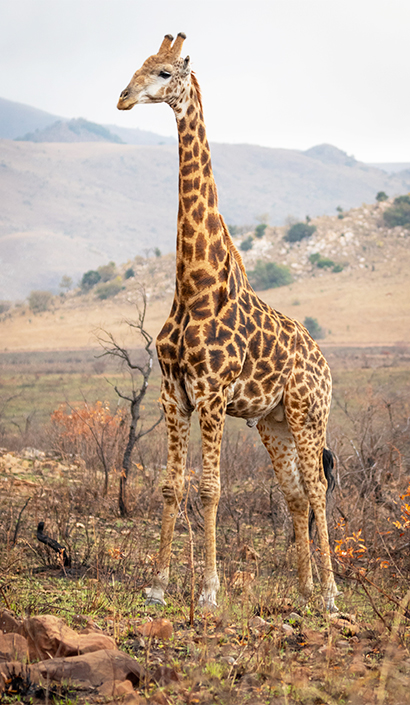

Dry Season (June to October): This period is considered the best time to visit Lake Manyara National Park. The weather is dry, and wildlife congregates around water sources, making it easier to spot animals during game drives. The vegetation is less dense, improving visibility. June to October is the peak tourist season, so the park may be busier during these months.
Wet Season (November to May): The wet season, characterized by the “short rains” from November to December and the “long rains” from March to May, brings lush greenery to the park. While the landscape becomes more vibrant, wildlife viewing can be more challenging due to thicker vegetation. However, birdwatching is excellent during the wet season, as many migratory birds are present. The park is also less crowded during this time.
Ultimately, if your primary goal is optimal wildlife viewing, especially for large mammals, visiting during the dry season is recommended. The months of June to October are particularly popular for safaris in Tanzania.
Lake Manyara: The park is named after the shallow alkaline lake that dominates a significant portion of its area. The lake is a haven for birdlife, including flamingos, pelicans, and numerous other water birds. The views of the lake against the backdrop of the Rift Valley escarpment add to the park’s scenic beauty.
Tree-Climbing Lions: Lake Manyara is famous for its tree-climbing lions. While lions in many other parks typically stay on the ground, those in Lake Manyara have developed a habit of climbing trees. The park’s acacia trees provide an excellent vantage point for these big cats to survey their surroundings.
Diverse Ecosystems: Lake Manyara National Park is known for its diverse range of ecosystems, including dense groundwater forests, open grassy areas, and the lake itself. This diversity supports a wide variety of wildlife, from large mammals to primates and birds.
Elephants: The park is home to a population of elephants that can often be spotted near the lake and in the surrounding woodlands. The elephants in Lake Manyara are known for their impressive tusks.
Birdwatching: With over 400 bird species recorded, Lake Manyara is a paradise for birdwatchers. The park is home to a variety of waterbirds, including pelicans, storks, cormorants, and the aforementioned flamingos. It’s a great destination for both amateur and avid birdwatchers.
Hot Springs: The park features hot springs located at Maji Moto, where visitors can observe the geothermal activity and enjoy the unique landscape.
Groundwater Forest: The groundwater forest near the entrance of the park is characterized by lush vegetation, and it provides habitat for a variety of wildlife, including blue monkeys, baboons, and various bird species.
Hippopotamus Pools: The park has several hippo pools where visitors can observe these large mammals cooling off in the water. The hippopotamuses are often seen submerged during the day and become more active in the evenings.
Welcome to African Wanders Safari, where the heartbeat of Tanzania’s untamed beauty meets the art of unforgettable adventures.