
Tanzania, a treasure trove of natural wonders, boasts diverse destinations that captivate travelers with their unique beauty and cultural richness.
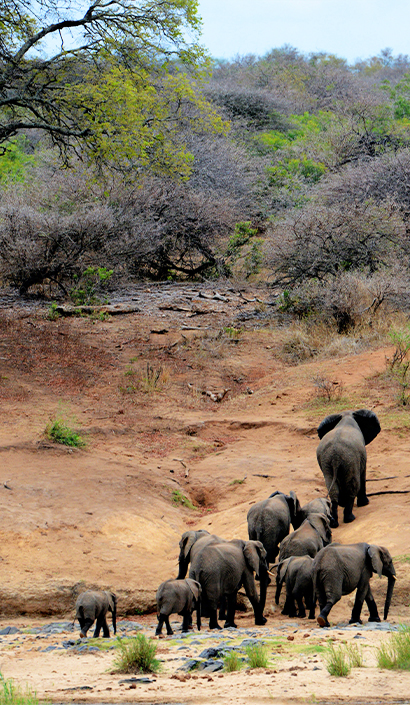

Dry Season (June to October): This is the peak tourist season and the best time to visit Mikumi National Park. The weather is generally dry, and wildlife tends to concentrate around water sources, making it easier to spot animals during game drives. The vegetation is also less dense during this time, improving visibility.
Wet Season (November to May): The wet season is characterized by heavy rainfall, especially from November to April. While the landscape becomes lush and green, making it a visually appealing time, the increased vegetation can make wildlife spotting more challenging. However, birdwatching is excellent during the wet season, as migratory birds are present.
It’s important to note that some roads within the park may become impassable during the wet season, affecting accessibility. Additionally, temperatures during the dry season are milder compared to the hotter months preceding the rains.
Ultimately, the best time to visit Mikumi National Park depends on your preferences and interests. If you prioritize optimal wildlife viewing conditions, the dry season is recommended. If you enjoy birdwatching and don’t mind the occasional rain, the wet season can also offer a unique and beautiful experience, with fewer crowds.
Abundant Wildlife: Mikumi is home to a variety of wildlife, including elephants, lions, zebras, giraffes, wildebeests, buffaloes, and impalas. The park’s open grasslands make it easier to spot these animals during game drives.
Bird Watching: The park is a haven for bird enthusiasts, boasting a wide array of bird species. You can find both resident and migratory birds, including the lilac-breasted roller, yellow-throated longclaw, and saddle-billed stork.
Hippopotamus Pools: Mikumi National Park features pools inhabited by hippos. These water-loving creatures can often be observed in their natural habitat, providing visitors with a unique wildlife experience.
Scenic Landscapes: The park’s landscapes are diverse, ranging from open savannah plains to miombo woodlands. The Mkata River flows through the park, adding to its scenic beauty and providing water sources for the wildlife.
The Mkata Floodplain: This expansive floodplain is a focal point for wildlife, especially during the dry season. Animals gather here to drink, making it an excellent location for game viewing. The floodplain is surrounded by acacia woodlands, enhancing the overall picturesque setting.
Kitonga Gorge: Located in the northern part of the park, Kitonga Gorge offers stunning views and is an interesting geological feature. It adds an extra dimension to the park’s diverse landscapes.
Game Drives: Mikumi National Park offers well-maintained roads and tracks, making it conducive for game drives. Visitors can explore the park and its wildlife through guided safari tours, allowing for an up-close experience with the animals.
Accessibility: Mikumi is easily accessible from Dar es Salaam, making it a convenient option for those looking to experience safari without traveling long distances.
Welcome to African Wanders Safari, where the heartbeat of Tanzania’s untamed beauty meets the art of unforgettable adventures.