
Tanzania, a treasure trove of natural wonders, boasts diverse destinations that captivate travelers with their unique beauty and cultural richness.
The Ngorongoro Conservation Area, located in northern Tanzania, is a UNESCO World Heritage site and one of the most remarkable natural areas in Africa.
It encompasses the iconic Ngorongoro Crater, a vast volcanic caldera that is home to a thriving ecosystem and diverse wildlife.
The area showcases breathtaking landscapes, including grassy plains, dense forests, and picturesque crater walls. It is renowned for its high concentration of wildlife, including the “Big Five” (elephant, lion, leopard, buffalo, and rhinoceros), as well as a rich array of bird species.
The Maasai people also inhabit the area, living alongside the wildlife and practicing traditional pastoralism.
Visitors to the Ngorongoro Conservation Area can enjoy game drives, cultural interactions, and awe-inspiring views of the crater, making it a must-visit destination for nature and wildlife enthusiasts.
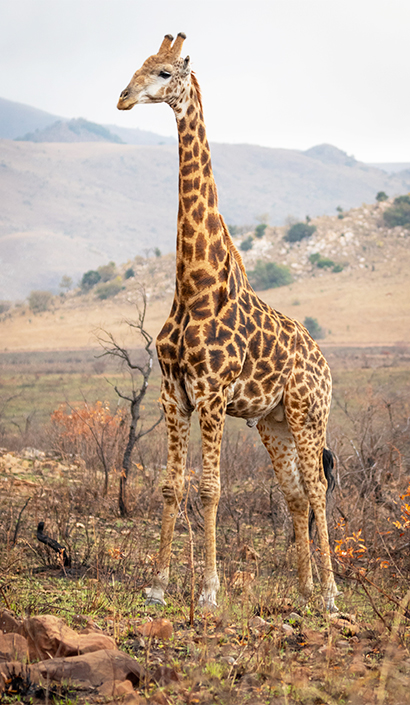

Dry Season (June to October): This period is considered the best time to visit Ngorongoro Conservation Area. The weather is generally dry, and wildlife is easier to spot as animals congregate around water sources. June to October is the peak tourist season, so the area may be busier during these months.
Wildlife Viewing (June to October): The dry season is optimal for traditional wildlife viewing, as vegetation is less dense, and animals are concentrated around water sources. This is also the best time for spotting the Big Five and other wildlife in the Ngorongoro Crater.
Ngorongoro Crater (Year-Round): The Ngorongoro Crater is an enclosed ecosystem, so wildlife viewing is good throughout the year. However, during the dry season, the lack of vegetation enhances visibility, providing better opportunities for game viewing.
Birdwatching (November to April): The wet season, particularly from November to April, is a great time for birdwatching in the Ngorongoro Conservation Area. Migratory birds are present, and the landscapes are lush and green.
Fewer Crowds (March to May): The wet season sees fewer tourists, providing a more intimate and serene experience. The landscapes are vibrant, and the area offers a different, more lush atmosphere. However, some areas may be impassable due to heavy rains.
It’s essential to note that weather patterns can vary, and conditions may change from year to year. While the dry season is generally recommended for optimal wildlife viewing, each season has its unique advantages. If you’re interested in birdwatching or prefer a quieter experience with fewer crowds, the wet season may be appealing.
Ngorongoro Crater: The Ngorongoro Crater is the most iconic feature of the conservation area and is often referred to as the “Eighth Wonder of the World.” The crater is a massive caldera formed by the collapse of a volcanic mountain, and it is home to a wide variety of wildlife, including the Big Five (lion, elephant, buffalo, leopard, and rhinoceros).
Wildlife Viewing: The Ngorongoro Crater is teeming with wildlife due to its enclosed nature. Visitors can expect to see large herds of wildebeest, zebras, gazelles, and numerous bird species. Predators, including lions, cheetahs, and hyenas, are also abundant. The conservation area is home to one of the highest concentrations of wildlife in Africa.
Big Five: The Ngorongoro Conservation Area is renowned for being one of the best places in Africa to spot the Big Five—lion, elephant, buffalo, leopard, and rhinoceros. The crater’s diverse ecosystems support a healthy population of these iconic species.
Olduvai Gorge: Olduvai Gorge is an archaeological site within the conservation area that has yielded significant discoveries related to early human evolution. Fossils and tools dating back millions of years have been found, contributing valuable insights into the history of human ancestors.
Empakaai Crater: While not as famous as the Ngorongoro Crater, Empakaai Crater is another scenic volcanic crater within the conservation area. It is known for its flamingo-filled lake and offers hiking opportunities for those looking to explore on foot.
Ngorongoro Conservation Area Authority (NCAA) Headquarters and Museum: The headquarters of the Ngorongoro Conservation Area Authority is located at Loduare, and it includes a museum that provides information on the history, culture, and natural features of the area.
Gol Mountains: The Gol Mountains, situated in the northern part of the conservation area, offer stunning views and unique landscapes. This area is less visited, providing a more off-the-beaten-path experience.
Olkarien Gorge: Olkarien Gorge is a deep gorge with towering cliffs and is known for its archaeological significance. It offers opportunities for guided walks and exploration.
Cultural Interaction: The Maasai people inhabit parts of the Ngorongoro Conservation Area, and cultural tours are available for visitors to interact with and learn about Maasai traditions, lifestyle, and crafts.
Shifting Sands: Located near Olduvai Gorge, the Shifting Sands is a unique phenomenon where volcanic ash dunes move slowly across the landscape. It’s an interesting geological feature within the conservation area.
Welcome to African Wanders Safari, where the heartbeat of Tanzania’s untamed beauty meets the art of unforgettable adventures.