
Tanzania, a treasure trove of natural wonders, boasts diverse destinations that captivate travelers with their unique beauty and cultural richness.
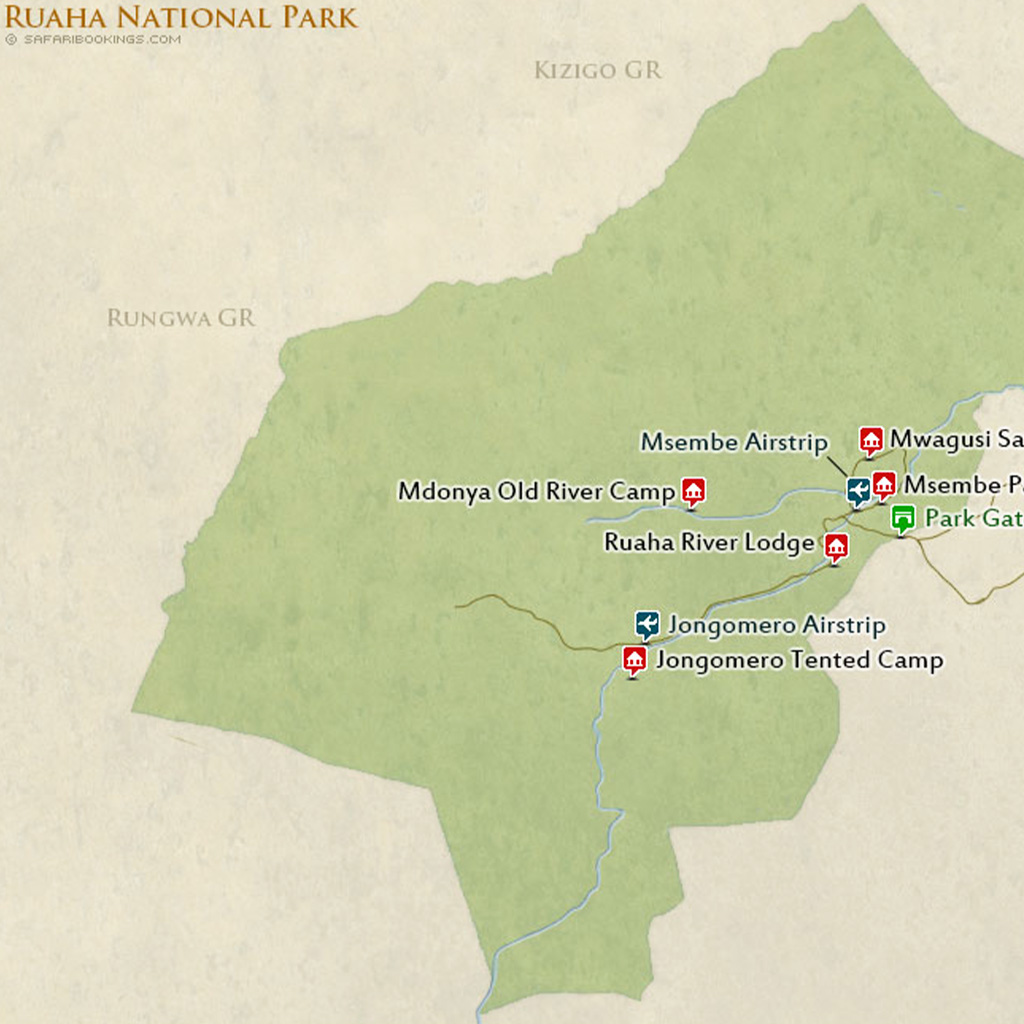
This Largest remote park is found in southern Tanzania
The convergence of vegetation zone in this huge Park has resulted in unusual combination of animals ,Particularly Greater and Lesser Kudu, together with sable and roan antelopes in the Park a feature that is not found in other National Park in the country.
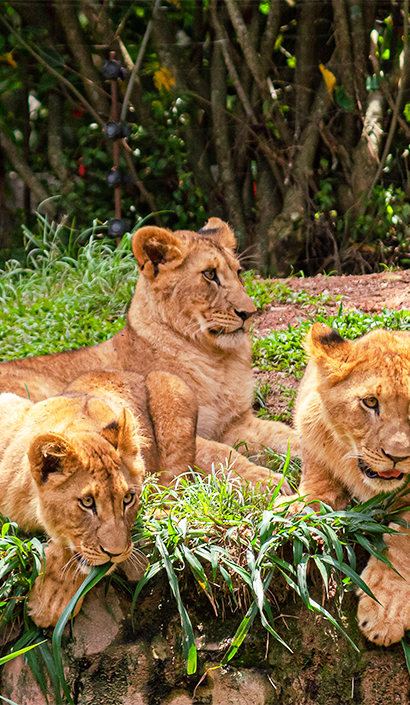
Key animals found in Ruaha National Park includes elephant ,zebra, lion, giraffe, hunting dog, ostrich, greater and lesser kudu, grants gazelles, striped hyena, sable and roan antelopes, crocodile and hippos mainly in Ruaha River.
More than 540 species of birds have been recorded in this Park.
Dry Season (June to October): This period is considered the best time to visit Ruaha National Park. During the dry season, the weather is generally clear, and wildlife is more concentrated around water sources, making it easier to spot animals. The vegetation is also less dense, providing better visibility. June to October is the peak tourist season, so the park may be busier during these months.
Wildlife Viewing (June to October): The dry season is optimal for traditional wildlife viewing, as animals gather around the Great Ruaha River and other water sources. Elephants, lions, leopards, and other large mammals are commonly spotted during this time.
Birdwatching (November to April): The wet season, particularly from November to April, is a great time for birdwatching in Ruaha National Park. The park becomes a haven for migratory birds, and the landscapes are lush and green.
Lush Scenery (January to February): The months of January and February, during the short dry season, offer lush green landscapes and are an excellent time for photography. Wildlife is still active, and the park is less crowded than during the peak tourist season.
Fewer Crowds (November to April): The wet season sees fewer tourists, providing a more intimate and serene experience. The landscapes are vibrant, and the park offers a different, more lush atmosphere.
It’s important to note that weather patterns can vary, and conditions may change from year to year. While the dry season is generally recommended for optimal wildlife viewing, each season has its unique advantages, and the choice of when to visit depends on your interests.
Wildlife Diversity: Ruaha is known for its rich biodiversity, including a variety of large mammals, predators, and bird species. The park is home to elephants, lions, leopards, cheetahs, giraffes, zebras, buffaloes, and numerous antelope species.
Great Ruaha River: The Great Ruaha River, which flows through the park, is a lifeline for wildlife during the dry season. It attracts large concentrations of animals, providing excellent opportunities for game viewing along the riverbanks.
Baobab Trees: The park features iconic baobab trees that dot the landscape, adding a unique and picturesque element to the scenery. These ancient trees are a popular photographic subject.
Ruaha Gorge: This scenic gorge is formed by the Great Ruaha River and offers stunning views of the landscape. It’s a prime location for wildlife spotting, especially during the dry season when animals gather near the water.
Mwagusi Sand River: This sandy riverbed is another hotspot for wildlife during the dry season. Animals gather around the Mwagusi Sand River to access water, providing an excellent opportunity for game viewing.
Birdwatching: Ruaha National Park is a haven for bird enthusiasts, with over 570 bird species recorded. The park’s diverse habitats, including woodlands, savannahs, and riverbanks, attract a wide variety of avian life.
Kudesa Viewpoint: For panoramic views of the park, visitors can head to Kudesa Viewpoint. The viewpoint provides a scenic vantage point overlooking the landscape, offering a different perspective of Ruaha National Park.
Hippo Pools: The park is home to several hippo pools where visitors can observe these large mammals. Hippos are often seen lounging in the water during the day, providing a unique wildlife experience.
Walking Safaris: Ruaha offers the opportunity for guided walking safaris, allowing visitors to explore the park on foot and experience a more intimate connection with the natural surroundings. Walking safaris provide a different perspective on the ecosystem and wildlife.
Cultural Interaction: Some tours in Ruaha National Park include cultural interactions with local communities, such as the semi-nomadic Barabaig people, providing visitors with insights into traditional ways of life.
Welcome to African Wanders Safari, where the heartbeat of Tanzania’s untamed beauty meets the art of unforgettable adventures.